
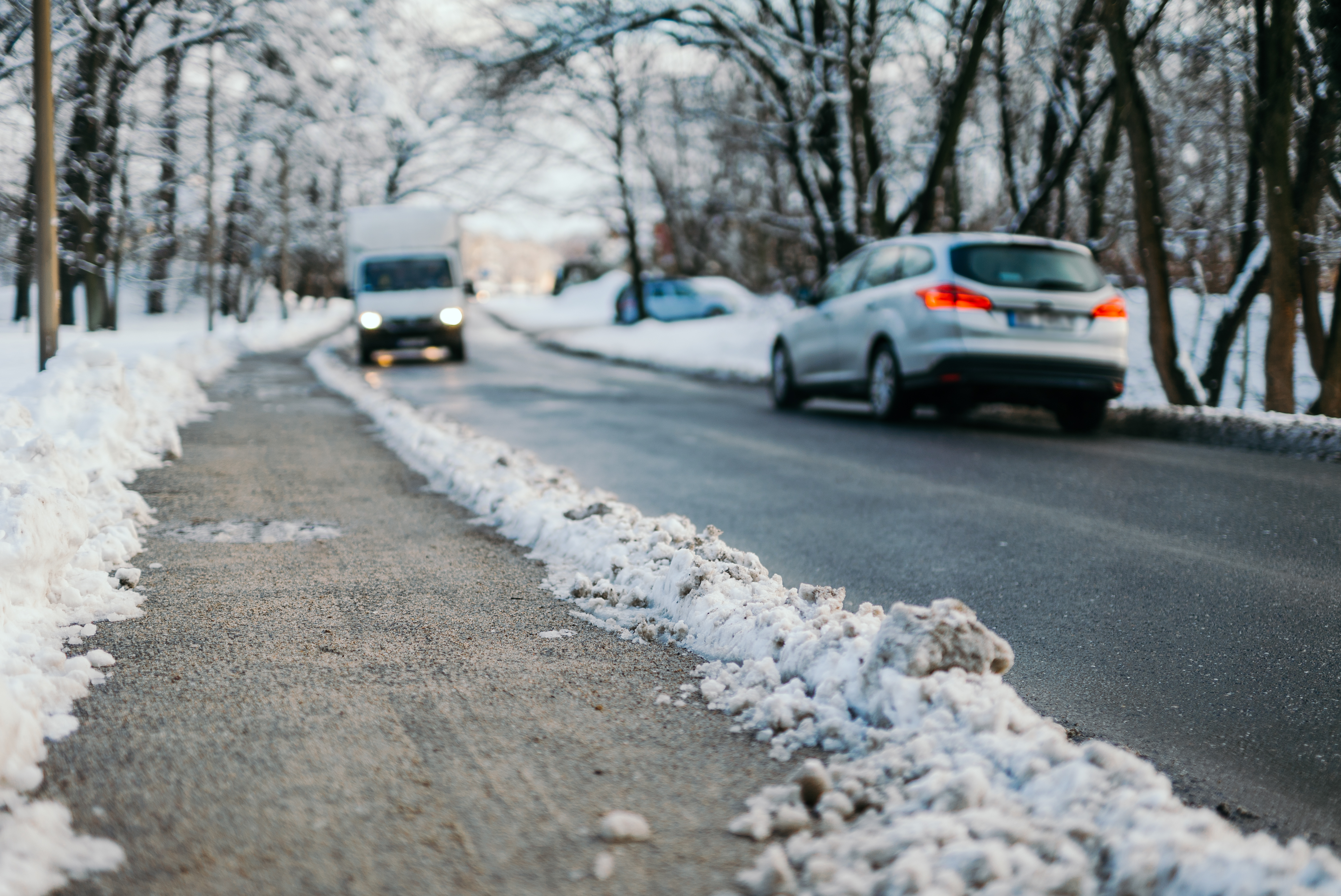
Winter Driving Safety: Essential Tips for Drivers and Pedestrians
Driving during winter can be unpredictable due to snow, ice, and shorter daylight hours. Whether you’re behind the wheel or walking near traffic, understanding how winter conditions affect safety and legal rights is crucial for handling any incidents on the road.
Increased Road Hazards in Winter
Statistics from the Federal Highway Administration reveal that 24% of weather-related crashes occur on roads covered with snow, slush, or ice, and an additional 15% happen during active snowfall. These conditions reduce traction and impair visibility, leading to more severe accidents due to delayed emergency response and limited vehicle control.
One significant danger is black ice, a thin, nearly invisible film of ice that often forms overnight or early in the morning. Even seasoned drivers can encounter difficulty when hitting black ice, as it can lead to loss of control in mere seconds. Every year, icy pavement is a factor in over 150,000 crashes and is responsible for more than 550 fatalities in the U.S.
The winter season also brings early sunsets, often resulting in darkness before individuals leave work or school. Reduced visibility makes spotting pedestrians challenging, especially when snow covers sidewalks or people wear dark clothing. Alarmingly, almost 80% of pedestrian fatalities occur at night, with winter exacerbating the issue.
Avoiding Common Winter Driving Mistakes
Many winter accidents are avoidable, but common mistakes increase risks for everyone. One often-missed practice is not fully clearing snow and ice from vehicles. Snow left on a car's roof can slide onto the windshield or fly off, striking another vehicle. States like New Jersey and Pennsylvania have laws penalizing drivers who neglect to remove snow from their cars.
Other risky behaviors include speeding for the conditions, tailgating, and neglecting to use headlights in snow or dim surroundings. Sudden steering or hard braking can cause skids, particularly on untreated surfaces, and increase the likelihood of multi-vehicle accidents.
Additional Challenges on Rural Roads and Among Commercial Trucks
Rural drivers face particular hardships in winter. These roads are often untreated and slower to be plowed, with bridges and overpasses freezing quicker than other surfaces. Poor lighting and fewer traffic signals compound the difficulty of seeing pedestrians, stalled cars, or black ice. In these scenarios, any delay in emergency response can worsen accident outcomes.
Commercial truck drivers also face heightened risks. Trucks need more room to stop, and on icy routes, even careful braking can be ineffective. Jackknife accidents, where a trailer swings out and obstructs the road, can happen within moments and typically lead to multi-vehicle pileups. According to the Federal Highway Administration, over 1,800 deaths occur annually due to crashes on snowy or icy roads, with many involving large trucks.
The 2021 Fort Worth pileup, a massive 130-car crash caused by icy conditions, tragically killed six people and injured dozens more. Such incidents underscore the catastrophic potential of winter road accidents.
Impact of Distraction and Low Visibility
When drivers and pedestrians are distracted, especially in poor visibility or snowy conditions, the collision risk sharply increases. Drivers may be adjusting the heater, clearing fogged windshields, or switching navigation systems. Meanwhile, pedestrians might be wrapped in bulky coats, carrying items, or focused on walking securely. A brief lapse of attention can lead to disastrous results.
Schoolchildren walking during dark mornings are especially vulnerable, particularly if not wearing reflective clothing. Older adults also face difficulties due to poor balance on icy paths and slower reaction times at crossings.
The combination of ice, reduced visibility, and swift traffic puts these groups at greater risk during winter months.
Safety Tips for Winter Roads
By following key precautions, drivers can significantly lower risks. Fully clear your vehicle of snow and ice, including the roof, windows, and lights. Drive slower and keep extra distance between vehicles for better control on slick roads. Gentle braking helps prevent skidding. Carry an emergency kit with a scraper, blanket, flashlight, and materials for traction like cat litter or sand.
Pedestrians can stay safer by wearing bright or reflective clothing to increase visibility to drivers. Use crosswalks and avoid walking in the street, even if sidewalks are blocked. Be alert and avoid distractions such as phones while crossing streets to reduce risks in low visibility.
When Accidents Occur, Legal Support is Vital
Despite precautions, winter accidents still happen, often leading to complex injury claims. If you or a loved one is involved in such an accident, contacting a personal injury lawyer is crucial. They can help manage insurance issues, evaluate damages, and fight for deserved compensation for medical costs, lost wages, and suffering.
Don’t delay seeking assistance. Reach out today to understand your rights and explore legal options following a winter accident.